Ai
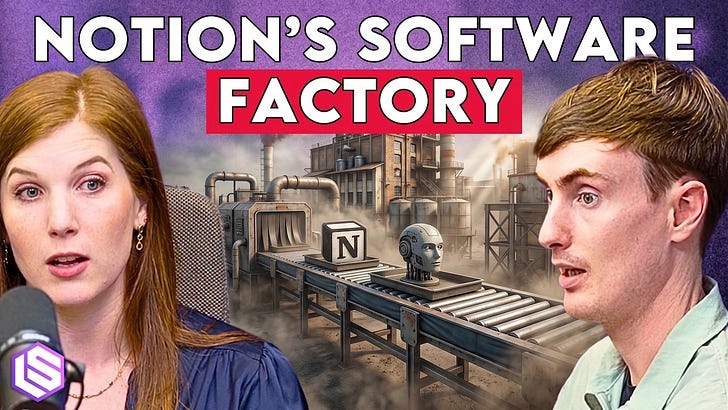
Notion’s Token Town: 5 Rebuilds, 100+ Tools, MCP vs CLIs and the Software Factory Future — Simon Last & Sarah Sachs of Notion
aired Apr 15, 2026 · 77.0m
Notion rebuilt its agent system five times between 2022 and 2024, iterating through non-existent tooling, poor model reasoning, and short contexts before reliable function calling and improved models made custom agents viable. The team emphasizes a portfolio approach to product development—balancing maintenance, near-term wins, and speculative AGI-pilled projects like software factories where agents collaboratively build, debug, and maintain codebases. They frame Notion not as a wrapper but as a collaboration-layer platform akin to Datadog’s relationship to AWS: leveraging foundational infrastructure while delivering differentiated UX expertise.
It reveals how a leading product-led company navigates the gap between early AI promise and shippable reality, with hard-won lessons on when to persist, pivot, or wait for model improvements.