Science
Juicervose
aired Sep 18, 2014 · 44.0m
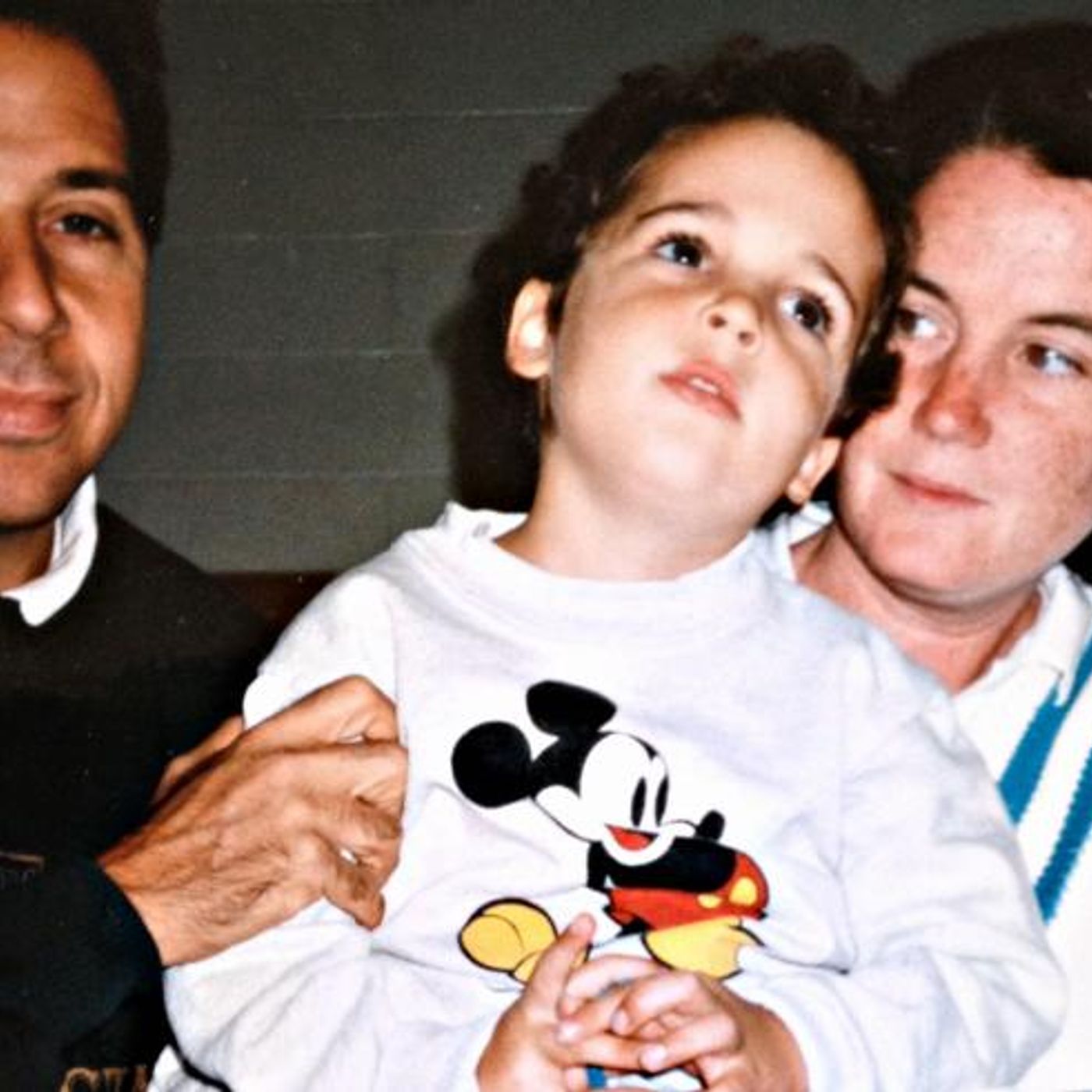
The episode traces how Owen Suskind, diagnosed with autism at age three, used Disney movie dialogue as a bridge to communication through echolalia, eventually forming complex sentences by identifying with characters. His family discovered that his repetitive phrases like 'juicervos' were distorted echoes of 'just your voice' from The Little Mermaid, revealing intentional meaning. This led to a method of engaging him through puppet play and character voices, unlocking emotional expression and cognitive depth previously assumed absent in autistic children.
It reveals how a child's obsession with Disney films became a scientifically significant key to unlocking language and empathy in autism, challenging outdated assumptions about cognitive capacity.