Science
Staph Retreat
aired Nov 03, 2015 · 31.0m
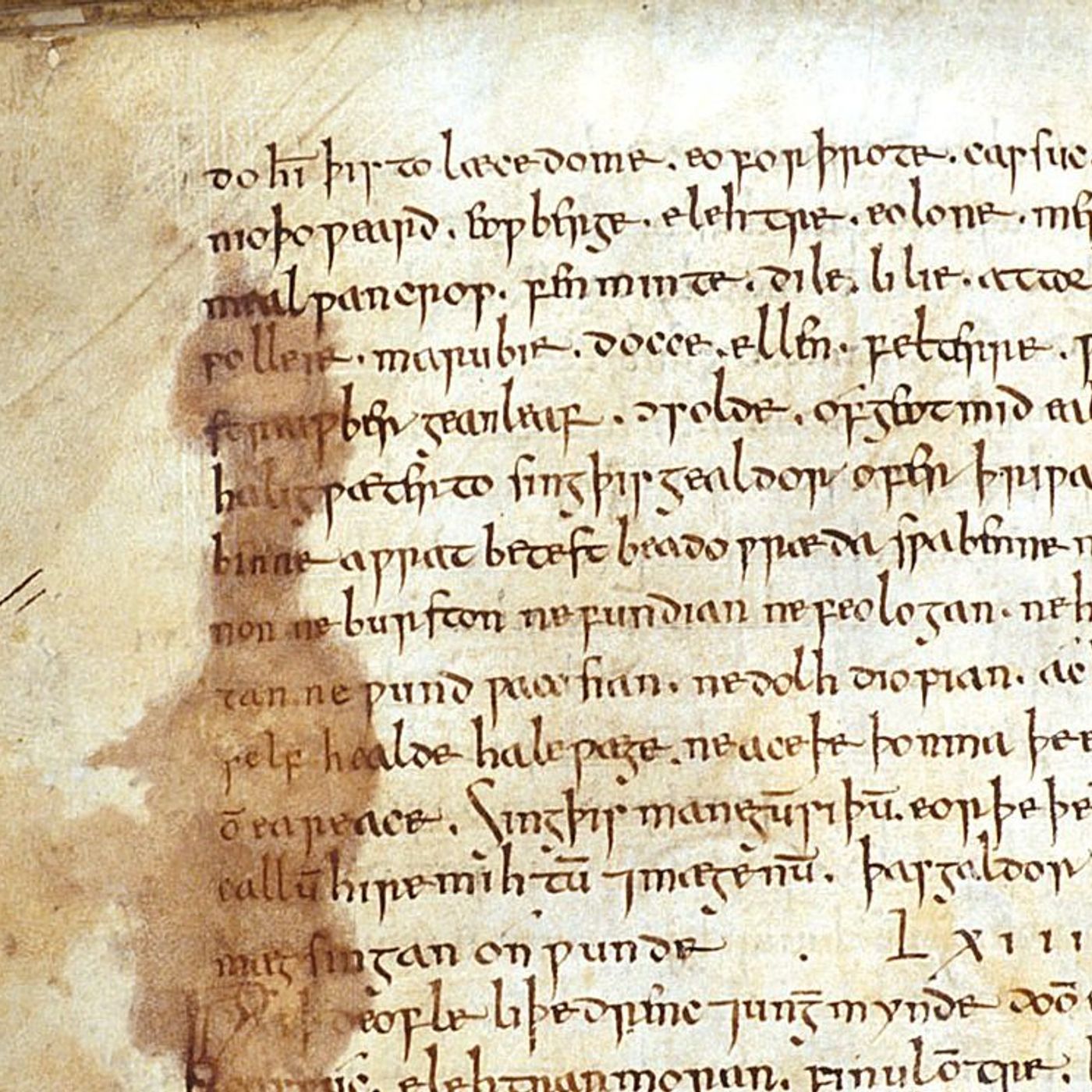
The episode traces the discovery of penicillin by Alexander Fleming in 1928 and the rapid emergence of antibiotic resistance, illustrating a recurring pattern where new antibiotics are quickly outpaced by resistant bacteria. It highlights a modern research effort by microbiologist Freya Harrison and historian Christina Lee, who recreated a 1,000-year-old Anglo-Saxon remedy from Bald's Leechbook that proved effective against MRSA. The story frames ancient medical texts as a potential reservoir for new antimicrobial strategies in the face of a collapsing antibiotic pipeline.
It reveals how an ancient remedy, rigorously tested, could inform modern solutions to antibiotic-resistant superbugs.