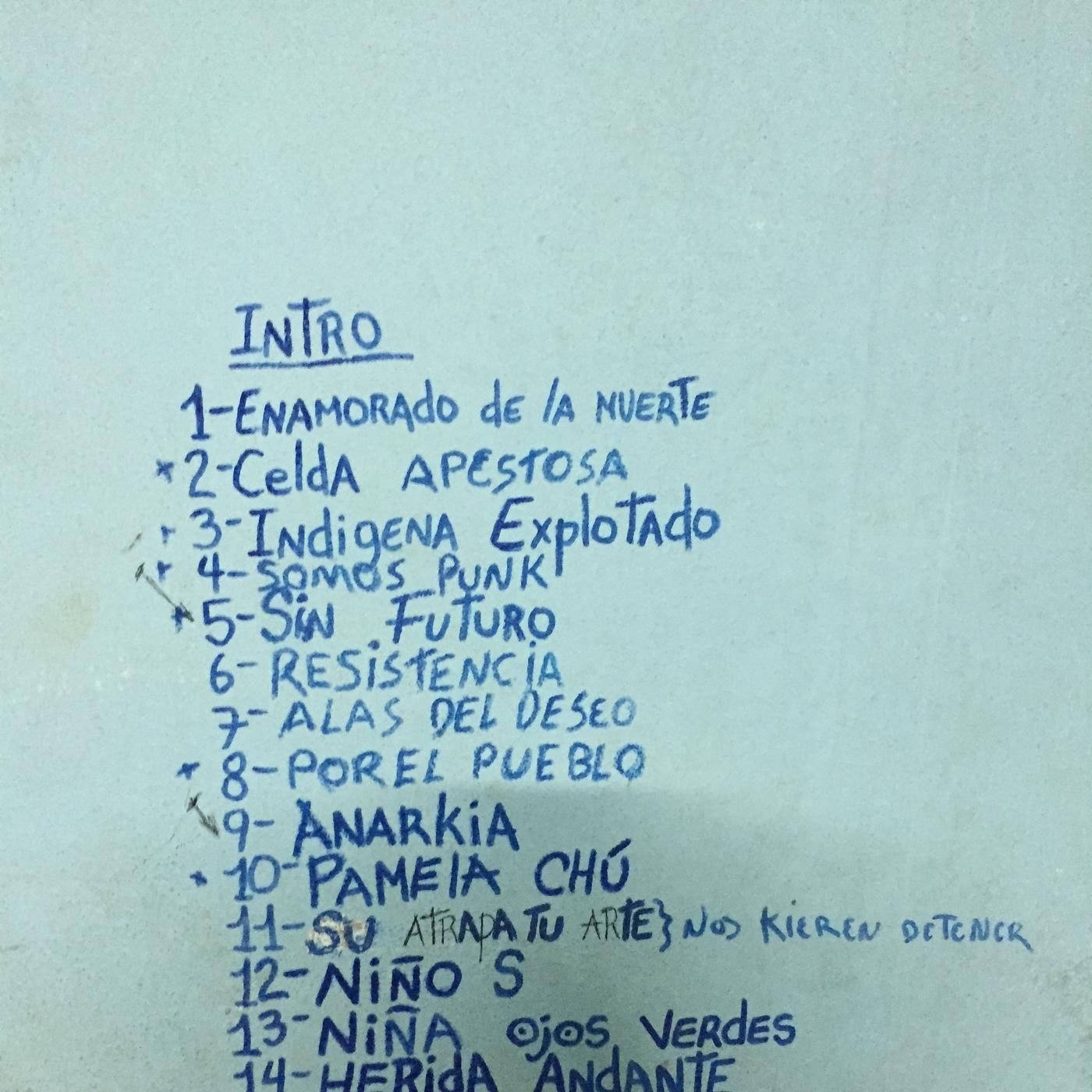
In 1990s Cuba, a group of youth known as 'Los Frikis' rebelled against state repression by self-injecting with HIV to gain access to state-run sanatoriums, which offered more freedom than life outside. The movement began with a punk rocker named Papo La Bala, who saw infection as both protest and escape. These sanatoriums, though isolated, became de facto countercultural havens where music and autonomy persisted.
Why listen
It reveals how state oppression can warp the meaning of survival and rebellion, turning a death sentence into a bid for freedom.
Key takeaways
01State repression of youth subcultures in Cuba led to extreme acts of resistance, including voluntary HIV infection.
02HIV-positive individuals were forcibly quarantined in rural sanatoriums, which ironically became spaces of relative freedom for punk rockers.
03The 'Frikis' movement was a form of silent protest against political control, using bodily autonomy as a weapon.
Best for
people interested in underground music movementsthose studying state control and youth resistancelisteners drawn to morally complex historical stories