Ai
Eye in the Sky
aired Jun 18, 2015 · 30.0m
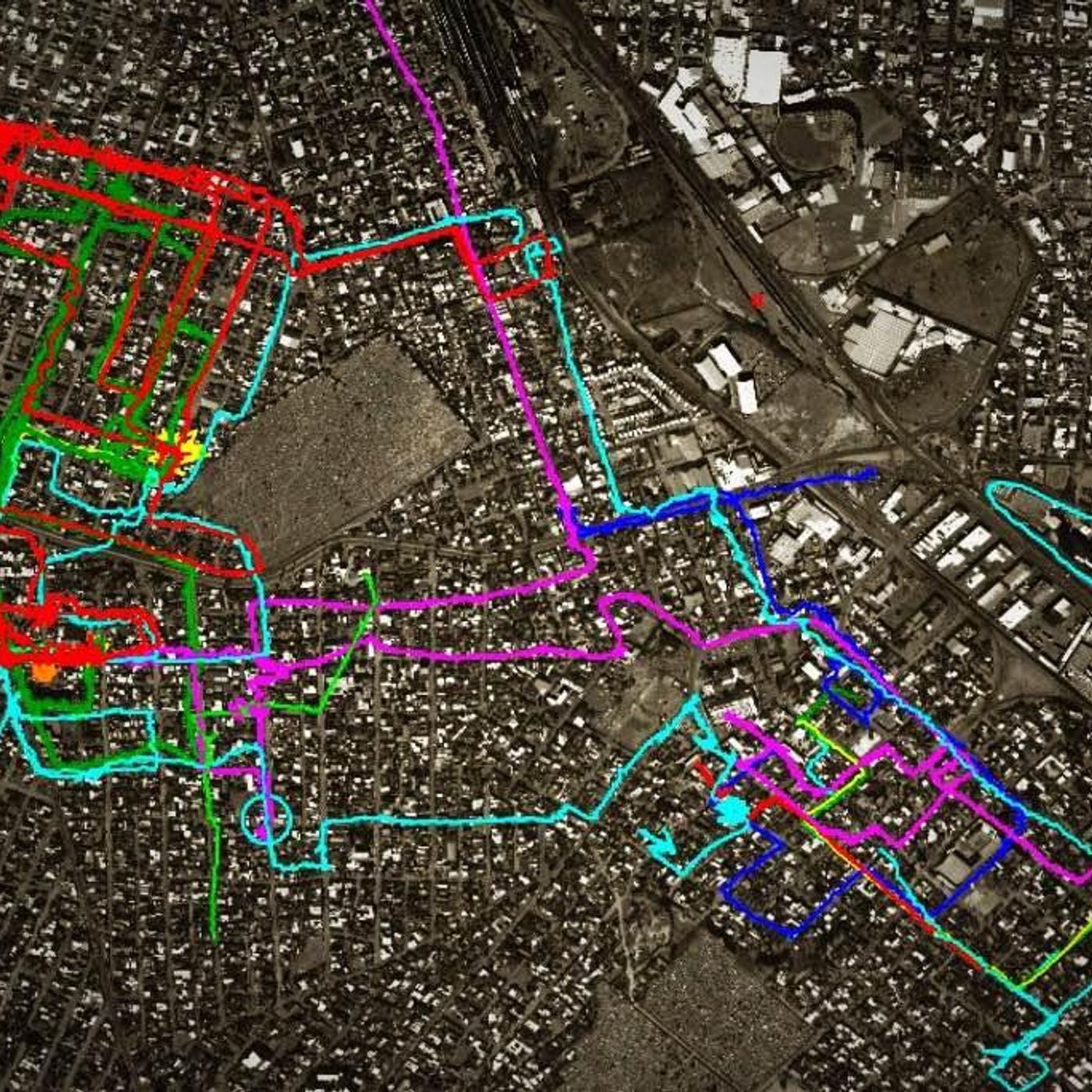
Ross McNutt, an ex-Air Force engineer, developed a persistent aerial surveillance system called Project Angel Fire that captures high-resolution, second-by-second images of entire cities from planes, enabling law enforcement to rewind time to investigate crimes. The technology, initially deployed in Iraq to track IED planters, was later offered to U.S. cities like Dayton, Ohio, to reduce crime by up to 40%, though public backlash over privacy and bias concerns halted its adoption. The system raises critical questions about the balance between public safety and civil liberties in an era of ubiquitous surveillance.
It reveals how military surveillance tech is being repurposed for domestic policing and forces a reckoning with the ethical and societal costs of total visibility.