Science
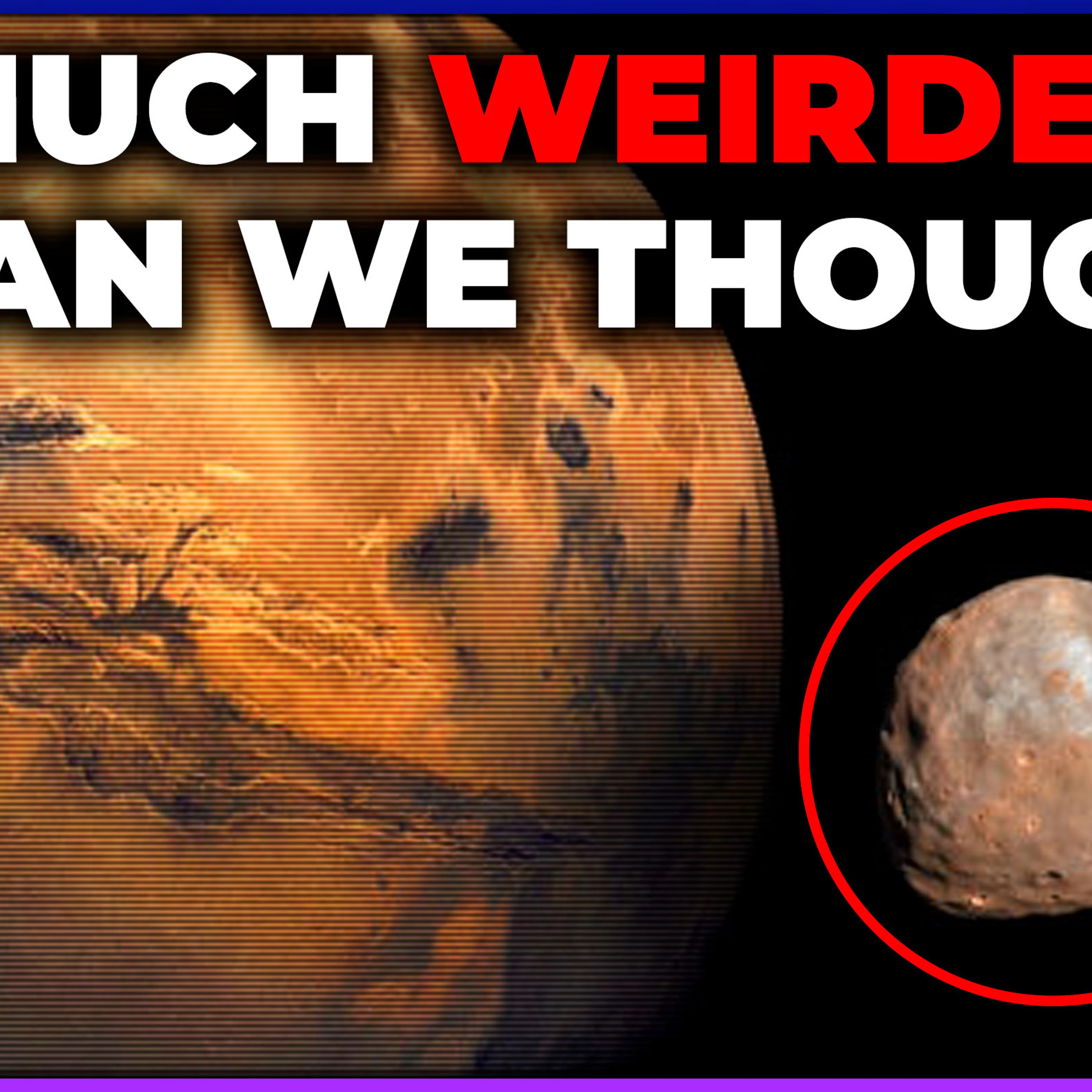
[Interview+] Phobos Might Already Be Destroyed and Reformed. Possibly Multiple Times
aired Apr 14, 2026 · 52.0m
Rubble pile asteroids dominate the small asteroid population, having formed from reaccumulated debris after collisions, and their evolution is shaped by weak self-gravity, friction, and external forces like the Yarkovsky effect, which drives orbital migration. Phobos may have already been destroyed and reformed multiple times due to tidal forces from Mars, a process that could recur before its final disintegration. The Yarkovsky effect, driven by thermal radiation from asymmetric solar heating, plays a key role in moving asteroids from the main belt into near-Earth space via resonances with giant planets.
It reveals how thermal forces and gravity shape asteroid evolution, with implications for planetary defense and the fate of Mars' moon Phobos.